.svg)

On a cold February morning in Central Vermont, the world is quiet in a way that feels older than the towns themselves. Snowbanks sit hard along the edge of a gravel road. A plow line cuts a clean shoulder. Somewhere in the distance, a loader backs up with a soft beep-beep-beep, and the sound echoes off the hills like a small reminder:
In Vermont, the land is never finished. And neither is the work.
In 1791, Vermont entered the Union as the 14th state, joining the United States on March 4. But for centuries before statehood (and for the 235 years since) Vermont has been defined by a constant, practical relationship between people, tools and terrain.
It has always been a dance: Man. Machine. The mountains.
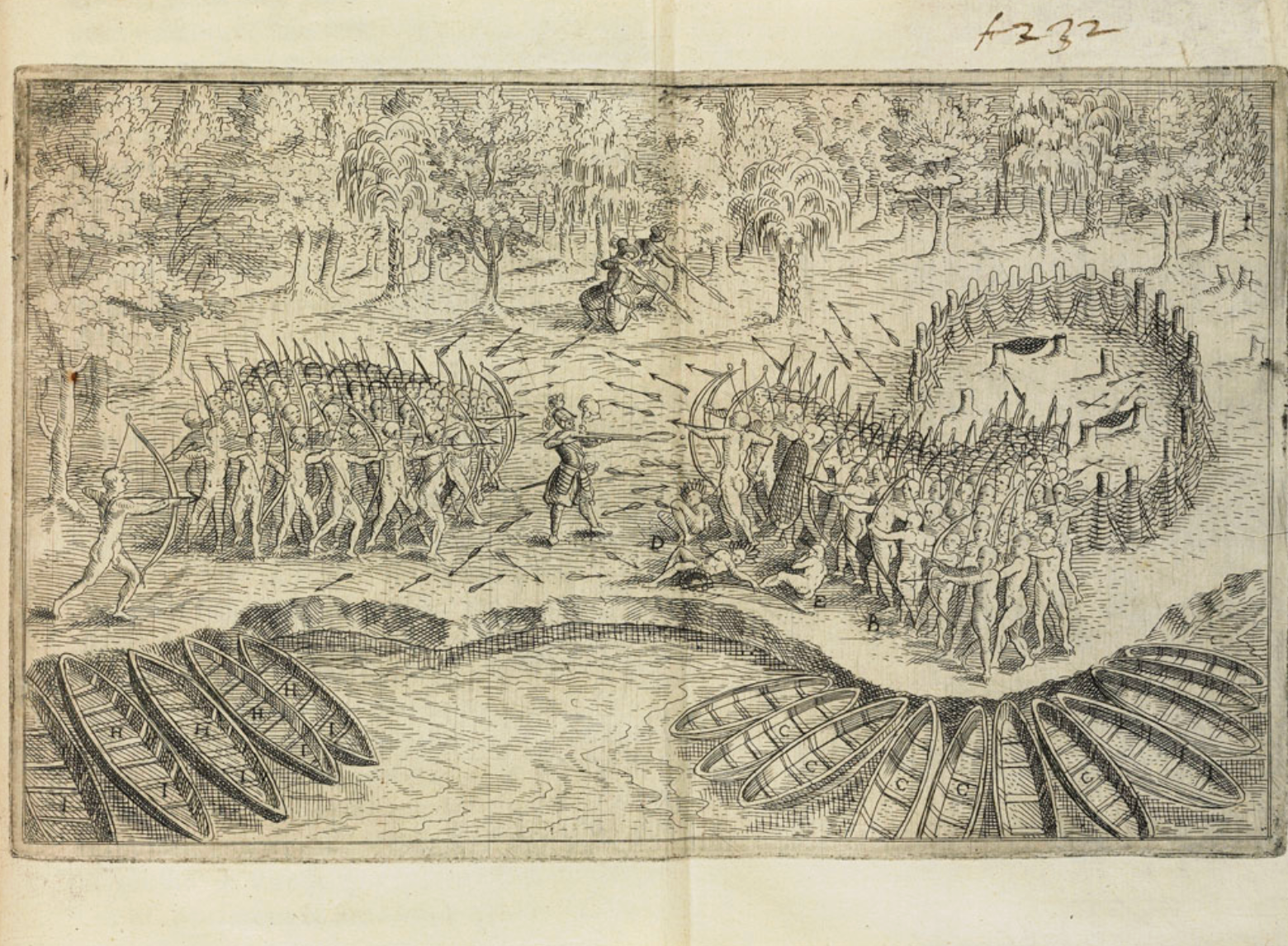
Before Vermont was “Vermont”
Long before roads had route numbers, before granite trains, before town lines, this land was (and remains) part of Ndakinna, homeland of the Western Abenaki and other Indigenous peoples. The Vermont Historical Society notes Abenaki communities living in extended family groups, with villages near places we still recognize today (including areas around Newbury and Swanton) and describes how European contact intensified after Samuel de Champlain’s 1609 voyage on the lake that now bears his name.
This matters because Vermont’s “building” story begins with the land itself: rivers, ridgelines, forests and soils shaped by ice… and the people who knew how to live with them.
The early build: muscle, stone and persistence
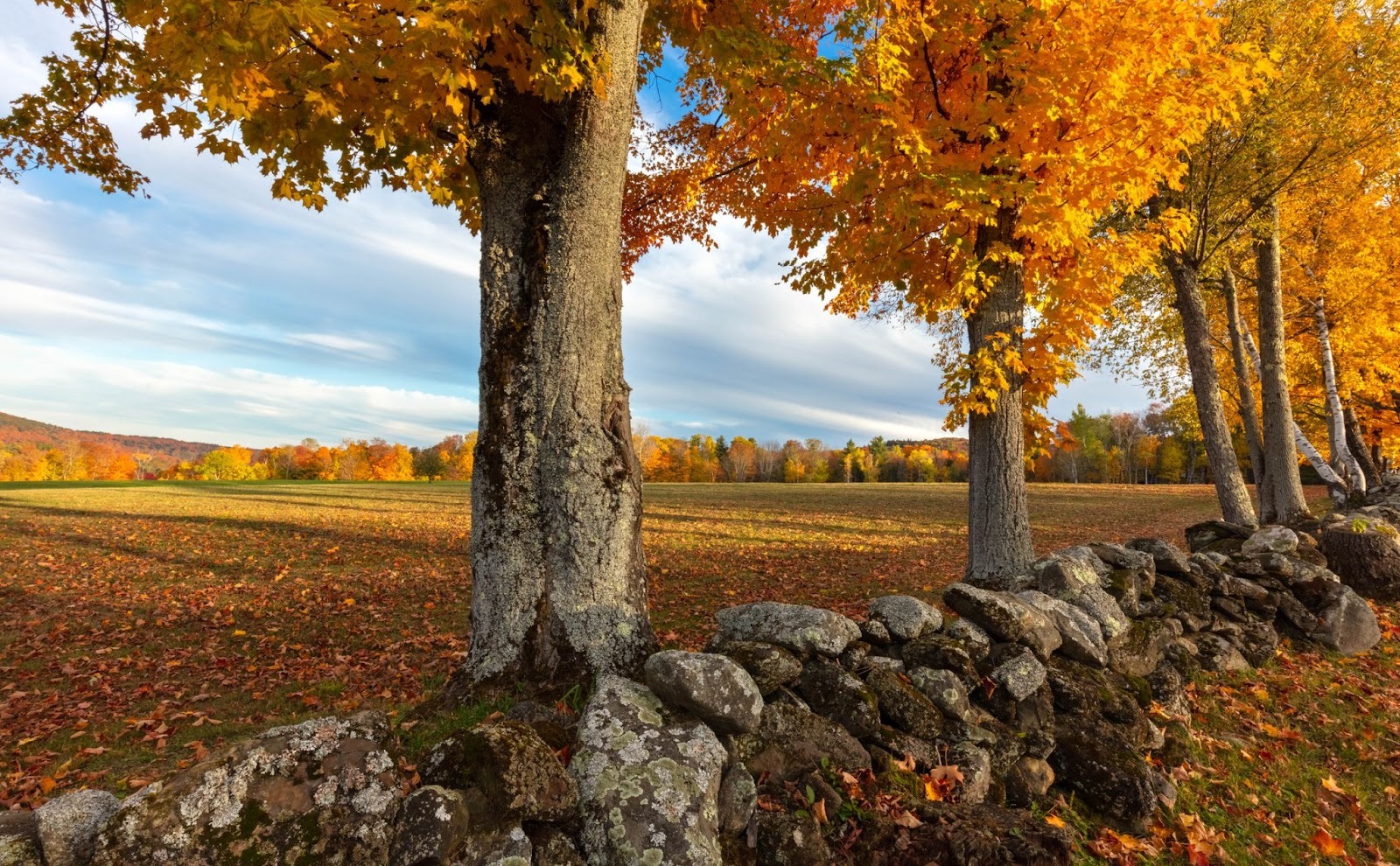
Early settlers faced a landscape that required immediate, practical construction: clearing, fencing, draining and connecting. Vermont’s famous stone walls, which are still running through forests where pastures once stood, weren’t quaint. They were a solution to a problem: fields full of glacial rock and a short growing season that punished inefficiency.
And then there were the roads.
In a place of steep grades and spring mud, roads were never simply “built.” They were constantly rebuilt — graded, reditched, regraveled, rethought. As they are today.
Vermont becomes Vermont: the Grants, the Green Mountain Boys, and statehood
Vermont’s path to statehood wasn’t tidy. The “New Hampshire Grants” era was a volatile period of disputed land claims and political struggle. Ethan Allen and the Green Mountain Boys emerged in that conflict, organizing to protect settlers’ property claims. These events fed directly into the identity Vermont later carried forward.
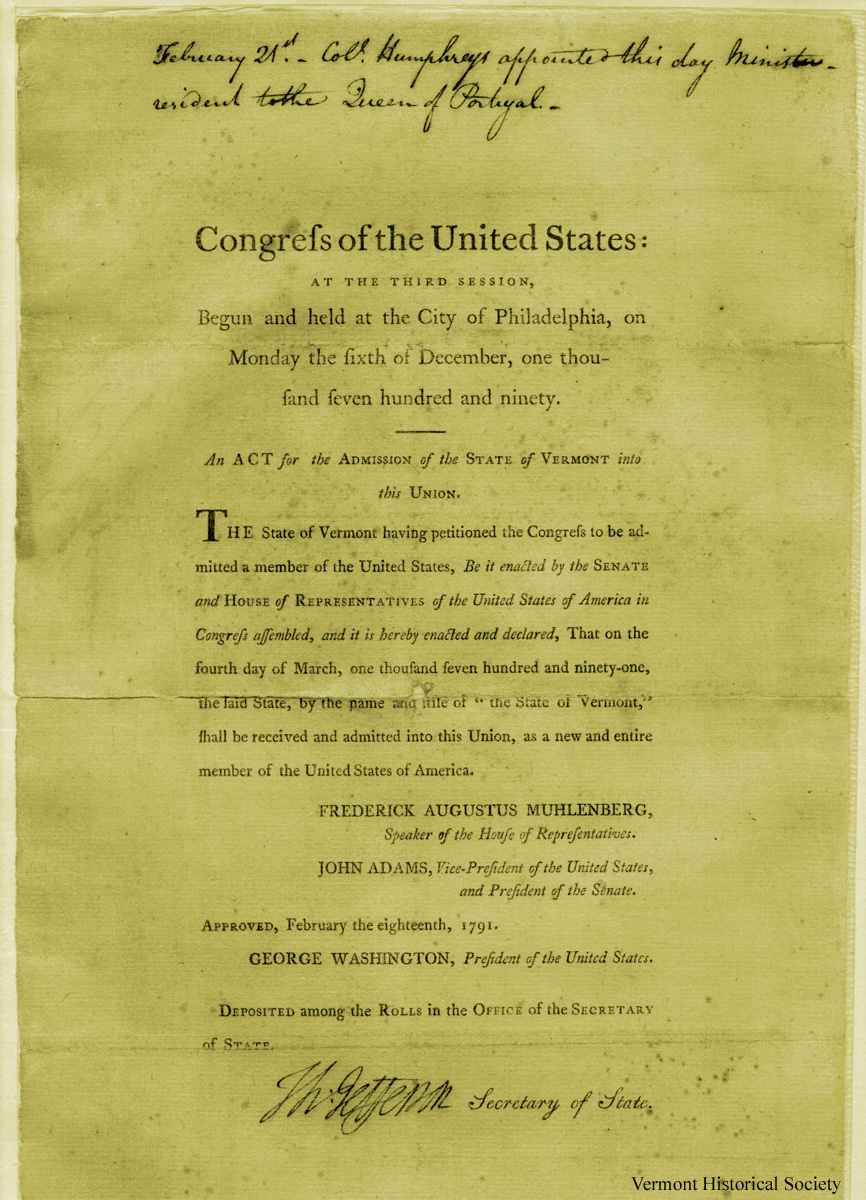
In 1791, after years of negotiations and disputes, Vermont was formally accepted into the Union as the fourteenth state.
Stone and steel: how Central Vermont helped build America
If you want to understand “man, machine, and mountain” in Central Vermont, start with Barre.
Granite existed long before Barre became famous for it, but access to national markets changed everything. The Barre Granite Association’s incredibly outlined timeline points to the arrival of rail and its transformative effect: with rail reaching Barre in the 1870s, the industry surged as transportation finally matched the scale of the resource.
This is an important Vermont theme: the land provides; technology makes it possible; people make it real.
Granite pulled from Vermont hillsides became monuments, civic buildings and architecture far beyond the state, serving as proof that Vermont building has never been only local.
Marble, rail, and a statewide craft
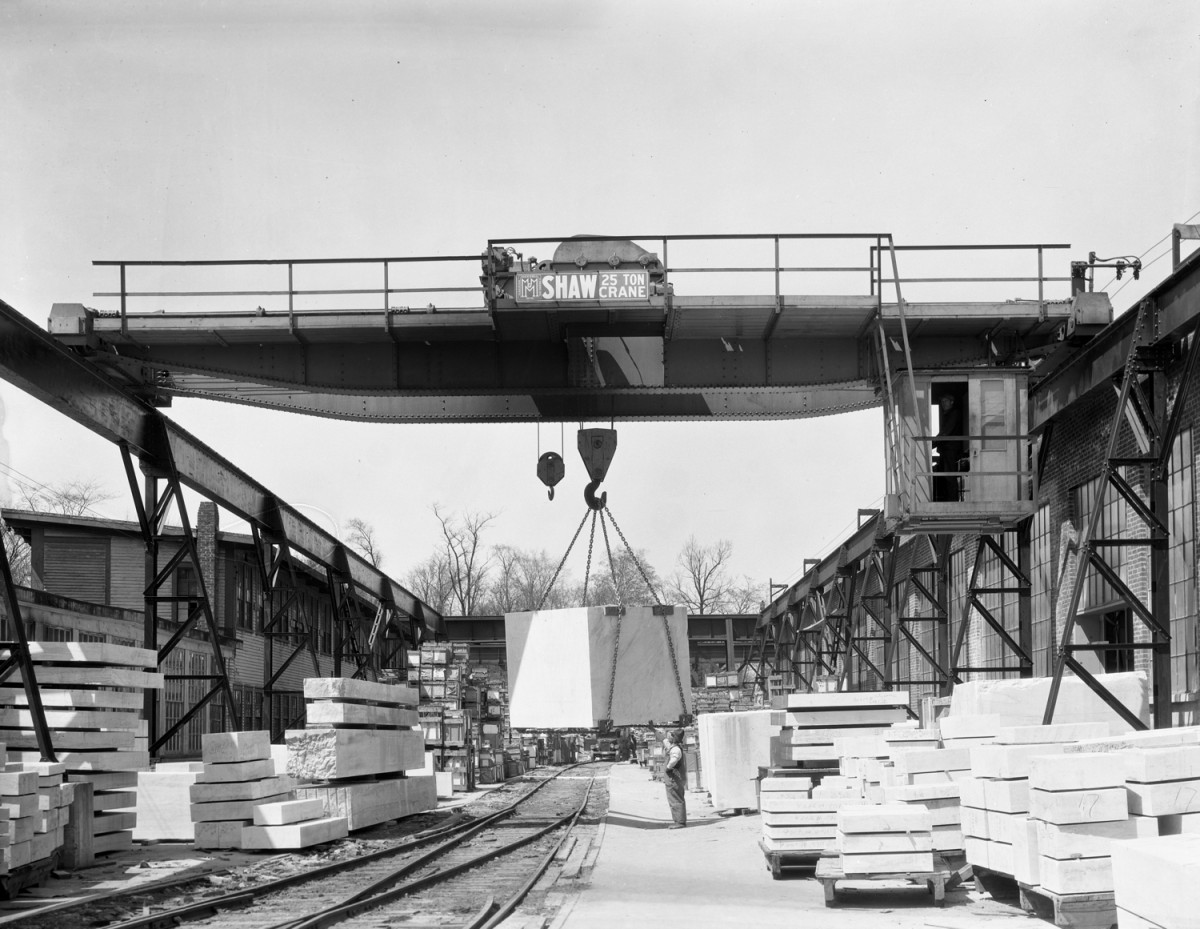
Vermont’s building story isn’t just granite, either. In Rutland County, Vermont Marble grew into a world-class industry, shaping buildings, memorials and civic spaces for generations. Preservation Trust of Vermont documents how businessman and politician Redfield Proctor founded the Vermont Marble Company in 1880, consolidating operations that helped scale the industry.
The New Deal era: building trails, roads and parks
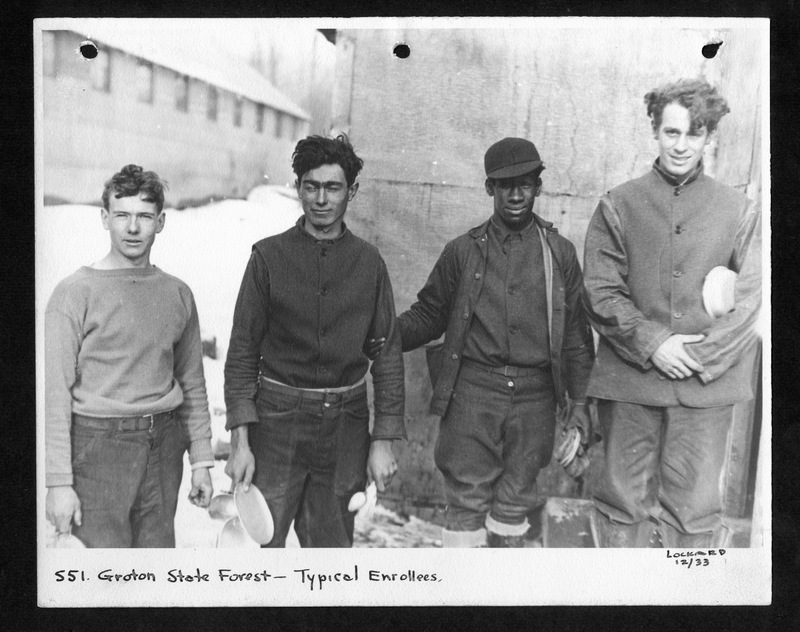
In the 1930s and early 1940s, Vermont’s relationship with “building” expanded beyond industry into public works and access. The Civilian Conservation Corps (CCC) employed thousands in Vermont between 1933 and 1942, helping make mountains and forests more accessible and laying groundwork for recreation infrastructure.
The CCC also contributed to trail and park infrastructure and played a role in the development and support systems around Vermont’s iconic Long Trail (established in 1910 and often cited as the oldest long-distance hiking trail in the country!)
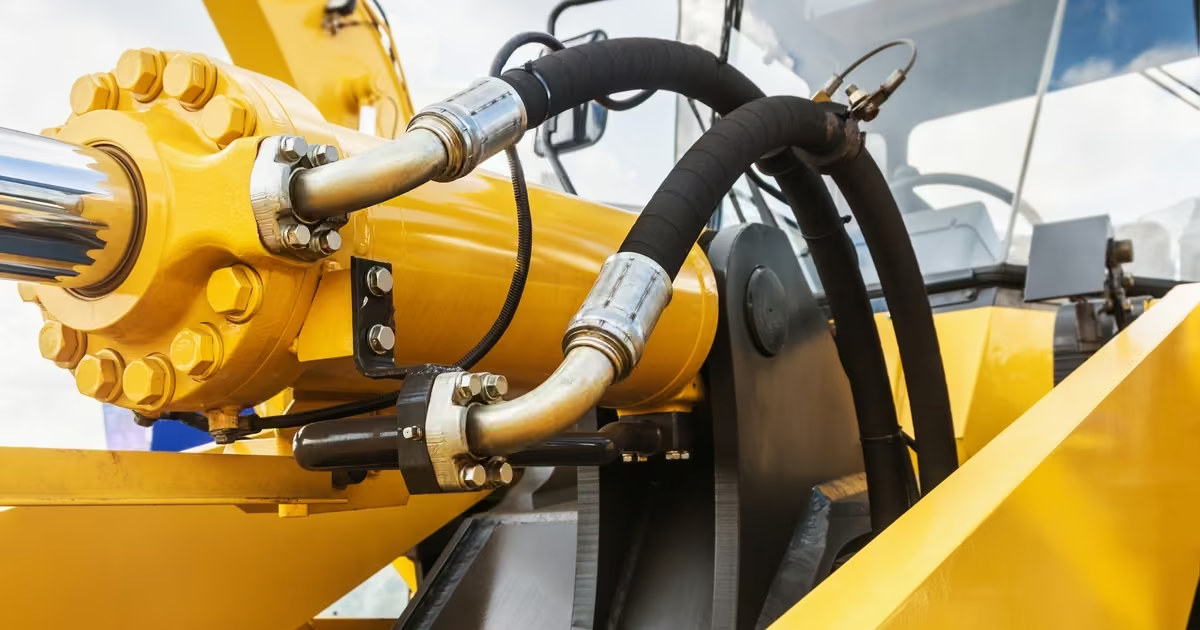
A living tradition: from hand tools to hydraulics
Today, the work of course looks different. Machines are smaller, more precise and more capable. But Vermont’s terrain still sets the terms.
Freeze-thaw cycles still test roads. Mud season still punishes shortcuts. Drainage and grade still matter. In towns across Central Vermont, the routine continues: shaping driveways, cutting ditches, clearing brush, placing culverts, building pads — the quiet, necessary work that keeps homes livable and communities connected.
Vermont has always demanded a kind of competence: the ability to read the land, choose the right tool and respect the mountain’s edge cases.
So let’s end where we started. Back on that February road, the loader finishes its pass. Tire tracks press into packed snow. The hills hold their line against a pale sky.
Vermont’s story isn’t just one of ruggedness. It’s a story of adaptation… each era learning how to build with what it has: hand tools, horses, rail, steel, diesel, hydraulics.
Two hundred thirty-five years after statehood, the partnership remains:
People, tools and the Green Mountains. Building Vermont, again and again.
Thanks for reading.
FAQs
How has Vermont’s construction history shaped the region?
Generations of road building, farming, and land work have defined how towns developed and how work is done today.
Why does local building history matter for contractors?
It helps explain terrain, infrastructure, and long-standing patterns that still affect modern projects.
How does local experience impact equipment services today?
Companies like Peakline Rental & Repair apply local knowledge to better support projects shaped by Vermont’s terrain and conditions.