.svg)

If diesel feels unusually expensive right now in Central Vermont and New Hampshire, that’s because it is.
As of March 29, 2026, AAA’s statewide averages put diesel at about $5.72 per gallon in Vermont and $5.63 per gallon in New Hampshire. That is up sharply from about $4.11 a month ago in Vermont and $4.01 a month ago in New Hampshire.
For contractors, farms, owner-operators, rural property owners, and anyone towing or running equipment regularly, a move like that shows up fast. It affects delivery costs, service calls, job pricing, and the day-to-day cost of keeping work moving.
This post is meant to be a practical resource: what’s going on, why diesel gets hit differently than gasoline, why it matters so much in Central Vermont and New Hampshire, and where to track prices yourself.
What Diesel Prices Look Like Right Now
As of Sunday, March 29, here's what the prices look like:
- Vermont diesel average: about $5.72/gallon
- New Hampshire diesel average: about $5.63/gallon
- U.S. diesel average: about $5.41/gallon
- Vermont month-ago diesel average: about $4.11/gallon
- New Hampshire month-ago diesel average: about $4.01/gallon
That matters because both Vermont and New Hampshire are currently running above the national diesel average, and both saw a very large month-over-month jump.
Why Diesel is So Expensive Right Now
There usually is not one single reason. Right now, it is better understood as a stack of pressures.
1) Crude oil prices have been pushing fuel prices up
AAA reported in March that pump prices were rising as crude oil prices moved higher and seasonal demand picked up. In its March 12 update, AAA said crude had moved above $100 per barrel multiple times in recent days and tied higher pump prices to stronger demand and rising crude prices. AAA repeated on March 26 that the national average had risen by about a dollar in one month as crude stayed elevated.
2) Diesel is structurally more expensive than regular gasoline
The U.S. Energy Information Administration explains that diesel often prices above gasoline for several reasons:
- strong demand for diesel and other distillates
- the cost of producing and distributing ultra-low sulfur diesel
- a higher federal excise tax than gasoline
EIA specifically notes that the federal on-highway diesel excise tax is 24.3 cents per gallon, which is 6 cents higher than the gasoline excise tax.
3) Heating oil matters more in New England than in many other regions
This is an especially relevant point for Vermont and New Hampshire.
EIA explains that heating oil and diesel are closely related distillate fuels, and that heating-oil demand can affect diesel pricing because the products are linked in supply and production. EIA’s diesel pricing explainer specifically notes that winter heating-oil demand can add pressure to diesel prices.
In other words, in a colder region like New England, diesel does not just reflect transportation demand. It can also feel the pull of heating-related demand dynamics.
4) Taxes and local market conditions also add to the final pump price
EIA notes that diesel pump prices include not only the wholesale fuel component, but also federal, state, and local taxes and fees, plus local market conditions. That is one reason retail prices can vary so much by state and by region.
Why This Hits Central Vermont and New Hampshire Especially Hard
In Central Vermont and much of New Hampshire, diesel is not a niche fuel. It sits underneath a lot of everyday work:
- Contractors towing equipment
- Farms running loaders, tractors, and service vehicles
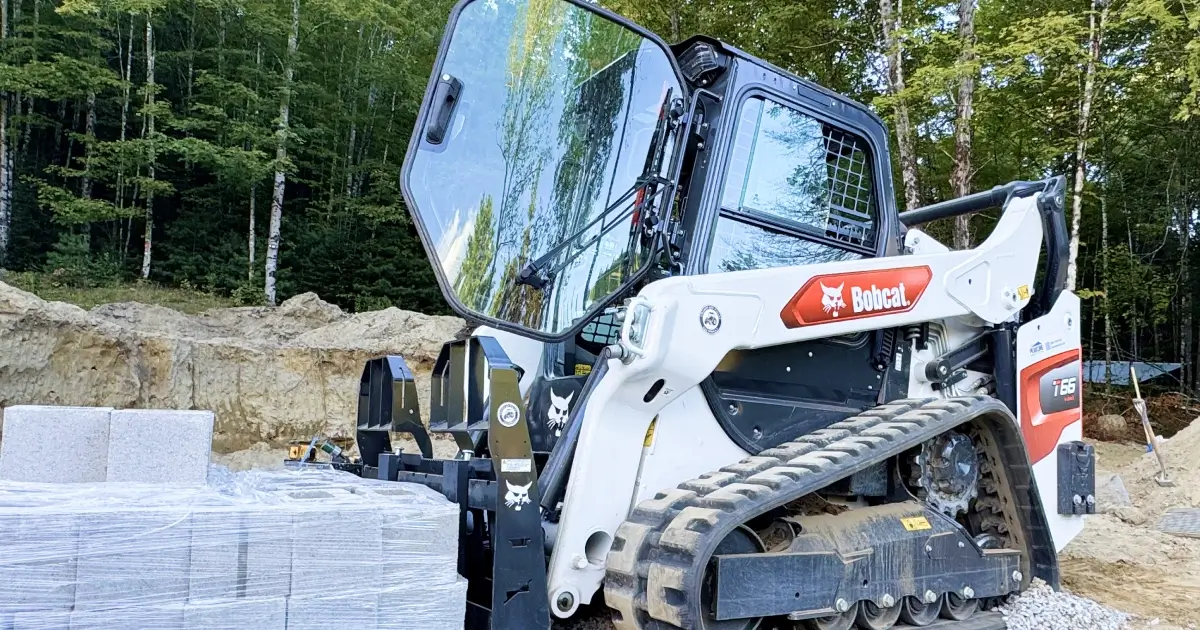
- Excavators and skid steers moving from job to job
- Medium-duty trucks hauling materials
- Rural property owners managing long driveways, land, and seasonal access
When diesel jumps by more than a dollar a gallon in a matter of weeks, that pressure moves quickly into delivery costs, job estimates, service rates, haul pricing and margins on small and mid-sized projects.
What We're All Searching For in Vermont & New Hampshire
We imagine a lot of us are searching right now for things like:
- why is diesel so high right now
- diesel prices Vermont
- diesel prices New Hampshire
- diesel near me
- why is diesel more expensive than gas
- why is diesel so expensive in New England
- current diesel price Vermont
- current diesel price New Hampshire
What Contractors, Farms & Property Owners Can Do When Diesel Spikes
When diesel jumps quickly, the goal is usually not to eliminate the cost. It is to manage it better.
We suggest:
- Combining deliveries and machine moves when possible
- Reducing unnecessary idle time
- Batching fuel-intensive work into fewer trips
- Using the right-size machine instead of oversizing
- Pricing jobs with short-term fuel volatility in mind
- Watching route planning more closely during busy periods
In a high-diesel environment, local coordination matters more. Shorter delivery routes, the right machine for the job, and practical scheduling can make a bigger difference than people expect.
Why This Matters Now
Central Vermont and New Hampshire are the kinds of places where fuel costs ripple quickly through working life. Diesel is tied to construction, land work, farming, hauling, repairs, and daily movement between towns. When prices spike, it is not just a headline — it becomes an operating issue.
FAQs
Why is diesel so expensive right now in Vermont and New Hampshire?
Diesel prices in Vermont and New Hampshire are high right now because crude oil prices have risen, diesel usually costs more than gasoline for structural market reasons, and New England can also feel pressure from heating oil demand.
What is the diesel price in Vermont right now?
AAA’s state averages showed Vermont diesel at about $5.72 per gallon on March 29, 2026.
Where can I track diesel prices for Vermont and New Hampshire?
The most useful public sources are AAA’s Vermont fuel price page and Peakline’s Resources page can also serve as a practical place to watch for region-specific updates.