.svg)
Spring in Central Vermont does not arrive evenly!
It comes first to one shoulder of Route 14 and not the other. It softens a gravel driveway outside Chelsea while a shaded lot near Barre is still holding frost. It sends runoff through one ditch line in Orange while another culvert near Topsham is already struggling to keep up. The season advances in patches, and the work has to advance with it.
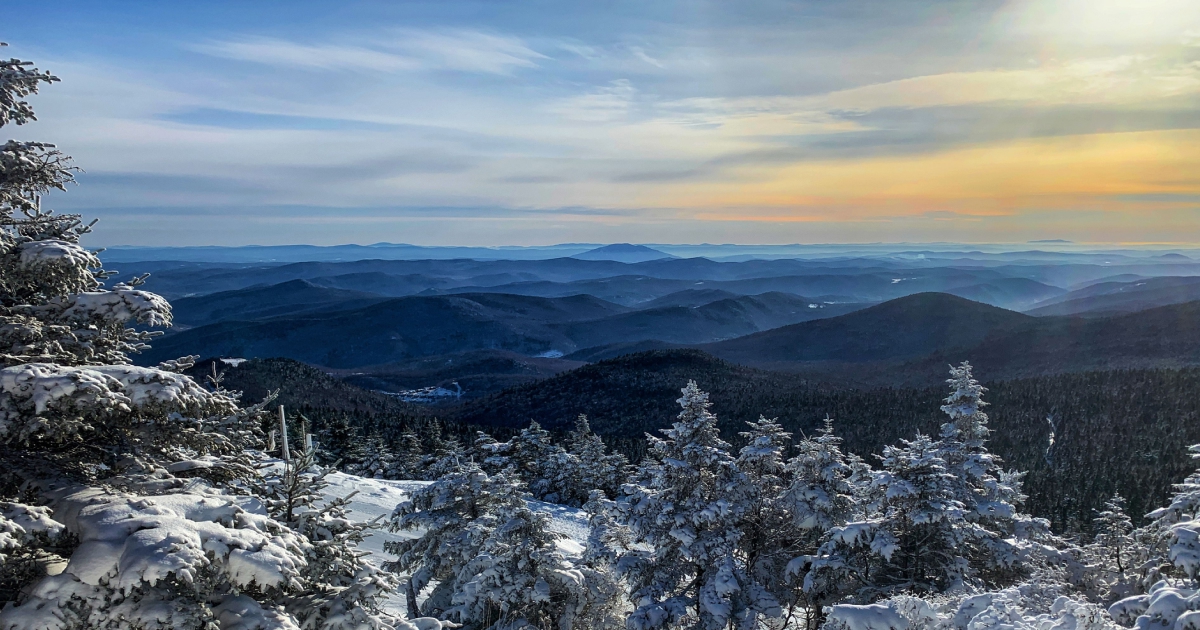
That unevenness is one of the defining facts of the region. The Winooski River valley around Montpelier, Berlin, and Barre behaves differently from the First Branch White River corridor through Tunbridge and Chelsea. The Waits River and Wells River country east of Orange has its own timing, its own wet spots, its own relationship to mud and spring access. Central Vermont may look coherent on a map, but on the ground it wakes up one pocket at a time.
Mud season is the most famous expression of that reality, but the phrase can obscure more than it reveals. Mud season is not just “bad roads.” It is soft shoulders, saturated gravel, vulnerable culverts, thawing lots, unstable access points, and ground that can support weight one day and refuse it the next. In a state where some roads are classed differently depending on their level of maintenance, even the legal framework reflects this reality: Vermont’s Class 4 highways are not maintained for year-round travel in the same way Class 1, 2, and 3 roads are.
Frost matters just as much. A Vermont winter does not simply freeze the landscape and then release it on schedule. It moves through cycles. Freeze, thaw, refreeze, runoff. Pavement heaves. Drainage shifts. Joints open. Wet ground lingers where it was not expected. What looked stable in January can become uncertain in March, and what looks dry on the surface can still be soft underneath. In Central Vermont, spring is rarely just a date on the calendar. It is a test of what winter changed.
Stone is the other constant. You feel it in excavation, in road work, in drainage, in foundations, and in the simple fact that a “small dig” in Vermont can turn into a much more serious conversation once ledge enters the picture. This is one reason the state’s stone walls remain such an apt symbol: the landscape has always produced stone faster than people wanted it, and the region’s history is full of the labor required to make that fact manageable.
Water ties it all together. The valleys that made settlement and travel possible also concentrate risk. Route 302 follows waterways for a reason, but those same valleys can become channels for damage when runoff intensifies. Vermont’s 1927 flood remains the clearest historic warning. The flood destroyed or severely damaged 1,258 bridges statewide and caused massive highway damage, while Montpelier saw water rise roughly 12 feet above street level on Main and State Streets. The point is not that every spring resembles 1927. It is that Central Vermont has always lived with the knowledge that water and terrain are active forces, not scenery.
That understanding still separates local knowledge from generic planning. A contractor in Barre knows that a site can look accessible from the road and still fail at the last hundred feet. A property owner in Bradford or Topsham knows a driveway in April is not the same thing as the same driveway in August. A crew moving between Montpelier, Randolph, Chelsea, and Orange knows that timing is never only about the clock. It is about ground conditions, weather windows, drainage, and the practical mood of the land itself.
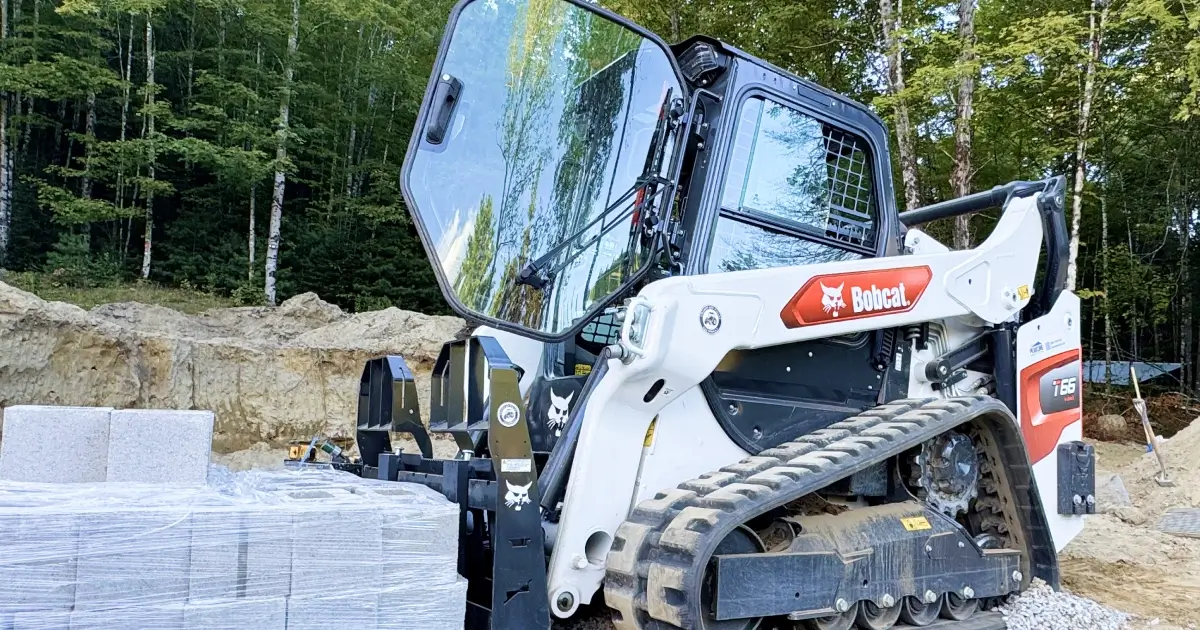
This is why Central Vermont demands a different equipment mindset. The right machine is never just a spec sheet. It is the machine that fits the access, the timing, the grade, the moisture, and the season. The right support is not just available support. It is support that understands why a wet lot, a soft shoulder, a muddy entrance, or a frost-shifted culvert can change the day.
The region teaches that lesson repeatedly. You see it on Route 110 where the road and river remain in close conversation through Tunbridge and Chelsea. You see it east of Barre where Route 302 follows a valley logic older than the highway itself. You see it in yards, driveways, fields, and side roads all over Central Vermont, where spring reveals what winter did and work begins by figuring out what the ground will actually allow.
For Peakline, that is not background texture. It is the operating reality of the region. Mud, frost, stone, and spring are not side notes to the work in Central Vermont. They still control the work. The companies and operators who do best here are usually the ones who respect that fact early, not late.
FAQs
Why does spring affect job sites differently across Central Vermont?
Spring conditions vary widely across Central Vermont because frost leaves the ground unevenly, runoff behaves differently from valley to valley, and one site can dry out while another remains soft, unstable, or difficult to access. That is why work around Barre, Montpelier, Chelsea, Orange, and Topsham often depends as much on ground conditions as it does on the calendar.
Why do mud, frost, and stone make equipment work harder in Central Vermont?
In Central Vermont, mud affects traction and access, frost changes how stable the ground really is, and stone or ledge can turn a simple dig or drainage job into a more serious piece of work. These conditions shape how crews plan excavation, driveway work, culvert repairs, grading, and spring property projects across the region.
What equipment support helps during spring site work in Central Vermont?
The most useful equipment support in Central Vermont spring conditions is support that matches the machine to the season, access, moisture, slope, and site stability. Peakline Rental & Repair helps property owners and contractors navigate muddy entrances, soft shoulders, drainage issues, and spring ground conditions with equipment that fits the realities of the region.