.svg)
The romantic version begins the same way almost every time.
A stretch of land. Woods at the edges. A view, or at least the possibility of one. Maybe a rough field, maybe an old stone wall, maybe a brook somewhere on the property that makes the whole thing feel inevitable. The mind fills in the rest quickly: a house set just right, a driveway where it needs to be, a garden, a workshop, a woodstove, a quieter life. It all feels close enough to touch.
And in Central Vermont, that dream is not unreasonable.
That is what makes it powerful. It is not fantasy in the pure sense. People really do buy raw land here. They really do clear homesites, install driveways, drill wells, build in phases, and turn a rough piece of property into a place to live. The romantic version exists because the underlying possibility is real.
What the romantic version leaves out is that raw land is not a lifestyle. It is a sequence of decisions.
Before a property becomes a home, it becomes a problem set. Not in a negative sense, necessarily. In a literal one. How do you get onto it in March? Where does water move after a storm? What is the grade doing that the listing photos do not show? What looks buildable from the road but becomes more complicated fifty or a hundred feet in? What can support a driveway? What will hold equipment? What is simple in August and difficult in April? What has to happen first, even before the exciting part begins?
This is where many first-time buyers get surprised.
They imagine land as a blank slate when it is usually the opposite. Raw land comes with conditions already in place: slope, drainage, soil, access, ledge, tree cover, frost behavior, runoff patterns, and the logic of a particular site in a particular season. Central Vermont adds another layer to that by making timing matter more than many newcomers expect. A piece of land can look stable in late summer and behave very differently in mud season. A roadside entrance can look straightforward until thaw weakens the shoulder. A dry-looking area can become a wet one as soon as spring starts doing its work.
That does not mean the dream is wrong. It means the order matters.
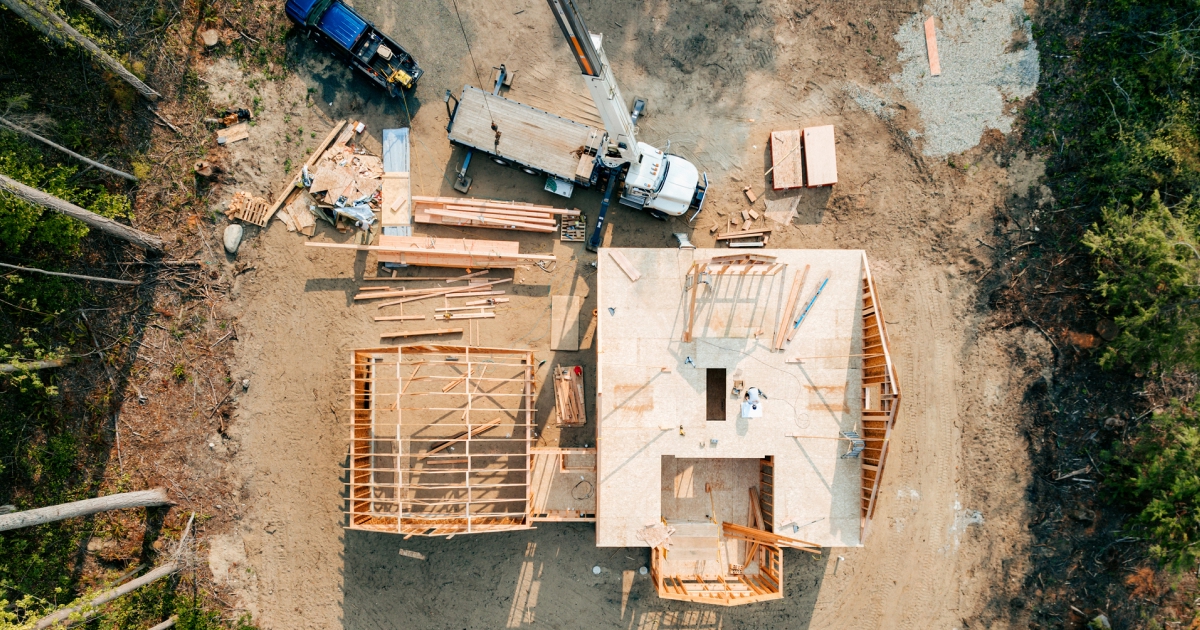
One of the hardest truths for new landowners is that the first real investments often are not the fun ones. They are access, grading, clearing, drainage, septic planning, water planning, and site preparation. They are the invisible projects that make the visible future possible. A raw parcel does not become a homesite because someone can imagine a house there. It becomes a homesite because enough practical groundwork has been done to support one.
There is also the emotional adjustment.
Many people arrive at raw land wanting the satisfying parts of rural life immediately: the house, the garden, the view, the quiet, the sense of escape. What they actually get first is often a long initiation into the land’s preferences. You begin by learning where mud collects, where runoff crosses, where the driveway makes sense, where it does not, what can be moved now, what should wait, and how quickly “simple” projects become more technical once machinery, weather, and timing enter the picture.
This is not a flaw in the process. It is the process.
In some ways, this is what makes building on raw land in Central Vermont so compelling. It asks something real from people. It rewards those who are willing to trade speed for understanding. The people who tend to do best are not necessarily the people with the most money or the most polished vision. They are the people who can let the land teach them something before forcing a plan onto it.
That is especially important in a region like this. Central Vermont has always been more negotiable than easy. It offers possibility, but not abstraction. The best outcomes come when people respect the site as a site, not just as a dream. They ask practical questions early. They understand that a driveway is not merely a line from the road to a house. It is drainage, grade, access, maintenance, snow management, spring durability, and future use all at once. They understand that clearing is not simply removing trees. It is choosing exposure, wind, shade, privacy, cost, and equipment strategy. They understand that “can I build here?” is not a single question but a cluster of them.
The romantic version also leaves out machinery.
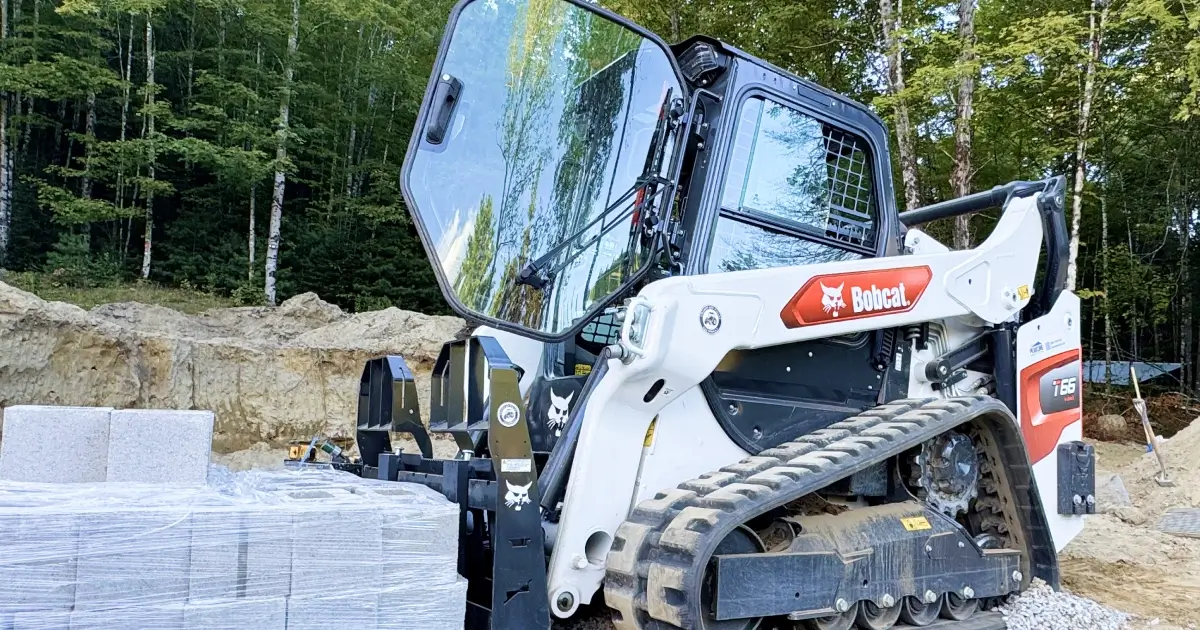
Not because everyone needs to own a fleet, but because almost every early land project eventually turns into an equipment question. Clearing brush. Moving material. Shaping a road. Digging. Grading. Backfilling. Managing drainage. Improving a rough area enough to support the next phase of work. Rural land has a way of teaching people that infrastructure comes first and that infrastructure is rarely built by hand.
That is one reason the owner-builder future of Central Vermont may look different from the old version. It may be more phased, more pragmatic, and more equipment-aware from the start. A younger generation of land buyers is often more comfortable with the idea of doing some things themselves, hiring out some things strategically, renting what they need, and building competence over time. That is not a compromise. It may be the modern form of the dream.
And the dream is still worth protecting.
It matters that there are still places in the Northeast where a person can plausibly imagine building a life from raw land forward. It matters that the path has not been closed entirely by cost, overdevelopment, or total standardization. But protecting that dream also means telling the truth about it.
The truth is that raw land asks for seriousness. It asks for sequence. It asks for respect. It asks you to solve for the ground before you solve for the image in your head.
In Central Vermont, that is not a reason to walk away.
It is the beginning of building well.
For Peakline, that is the important place to enter the story. Not at the level of fantasy, but at the level of first realities — access, site work, land shaping, machinery, and the practical jobs that have to happen before a piece of land can start becoming a place.
Because the romantic version is only the start. The real version is what turns out to last!