.svg)
.png)
Ask any Vermonter: winter doesn’t just mean snow. It means freeze–thaw – that cycle where water sneaks into cracks, freezes, expands and quietly tears your property apart.
From Barre and Berlin up through Waterbury and Richmond and out to Burlington, the same story repeats every year: driveways heave, culverts plug, ditches blow out and camp roads start collapsing at the edges.
This post is for landowners, farmers and “I guess I’m the road committee now” folks who manage private lanes and long driveways. Here’s how to spot freeze-thaw damage early, and how Peakline’s rental equipment and diesel repair can help you stay ahead of it.
A Quick Look at the 2025-26 Winter Season
If you’re the type who glances at long‑range outlooks, you’ve probably already seen the Farmers’ Almanac extended winter forecast for 2025-26 and similar coverage talking about a long season of cold and snow across much of the country. A recent write‑up of that forecast summed it up as a “longer winter of cold, snow” – not necessarily the single coldest winter ever, but one that just hangs on.
Even local chatter around the Almanac has leaned on phrases like “colder‑than‑normal” and “teeth‑chattering” for big chunks of the U.S. east of the Continental Divide.
Nobody should build a business plan on a single forecast, but if winter really is on the colder, longer side, the freeze-thaw issues we already fight in Vermont are only going to be more noticeable.
What Freeze-Thaw Actually Does
Vermont’s steep terrain and regular storms mean water is always on the move. Add in repeated warming and cooling, and you get:
- Heaved driveways and frost boils: Gravel gets lifted, then settles in weird ways. You start to see soft, mushy spots or “speed bumps” along your driveway, especially on VT‑14 hills or long camp roads.
- Blown‑out ditches and banks: Water running along the edge of a road undermines shoulders, washing stone and soil downhill. One warm January rain on top of existing snowpack can chew the side off a driveway in a night.
- Plugged culverts and iced‑over outlets: Leaves, ice, and gravel accumulate in culverts on back roads from Calais to Huntington. When everything freezes, water jumps the road and starts cutting a new path.
- Standing water that refreezes into ruts: Low spots fill with meltwater, then refreeze into chunky ice. Drive over that for a month and you’re left with a crater once spring finally sticks.
Early warning signs between Barre and Burlington
You don’t need a laser level to know trouble’s coming! Watch for:
- Puddles that never drain, even days after a thaw
- Ice sheets forming where you used to have bare gravel
- Ditches that are full of ice and debris instead of open channels
- Culvert inlets or outlets fully buried in snow and plow debris
- New cracks or slumps on the downhill side of your drive
If you’re seeing any of these in places like Berlin Corners, Middlesex Notch, Duxbury, Jonesville or Bolton Flats, it’s time to plan a fix (ideally before full mud season).
The equipment that makes mid‑winter fixes possible, and a lot of freeze-thaw damage can be stabilized in winter if you’ve got the right tools.
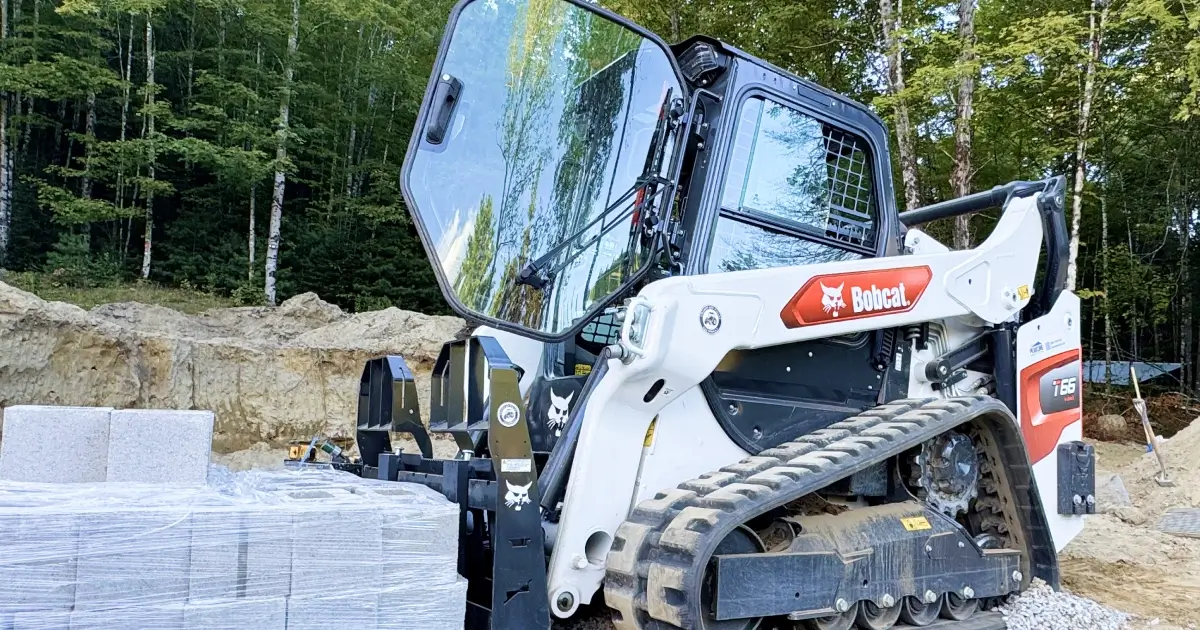
Skid Steer or Compact Track Loader
Perfect for:
- Pulling back snowbanks that keep blocking drainage
- Re‑crowning driveways and private roads
- Moving stone and gravel into low spots
- Cleaning out shallow ditches where you can’t get a big excavator
Tracks shine on icy or uneven ground, especially on steeper drives outside Barre or Waterbury.
Mini Excavator
Your go‑to for anything involving depth, like:
- Digging out clogged culverts and installing temporary pipe
- Re‑establishing deeper ditches on the uphill side of roads
- Pulling ice and debris out of outlets near streams
- Rebuilding small bank sections that slumped away
A mini‑ex with a thumb is ideal when you’re working along brooks or wet ground around Richmond, Huntington, or Jericho and need precise control.
Stone, Ditching & Drainage: Doing the Sequence Right!
Good freeze-thaw fixes aren’t random. They follow a sequence,
- Open the water path first! Clear ditches, culverts, and outlets so water has someplace to go *other than* across your road.
- Rebuild the base and surface! Once water is moving properly, bring in suitable stone or gravel and rebuild the driving surface and shoulders.
- Push snow and banks back! Give future storms room to put snow without blocking drainage again.
For materials, central Vermont has solid local options like R.E. Tucker in Randolph for stone and aggregate, with products suitable for driveways, base layers, and drainage.
Where Municipal Rules Meet Private Roads
Even if you’re working on a private road or shared driveway, local rules still affect you.
For example, parking bans in town centers like Burlington, Essex, Colchester and Essex Junction are designed so plow crews can push snow back to the curb, clear catch basins, and keep stormwater moving. Municipal winter operations plans talk about why they prioritize “safe roads at safe speeds” rather than bare pavement, and how that ties into drainage and long‑term road health.
Reading public plans in towns like Burlington, Colchester and Essex can give you ideas for how to handle your own roads – everything from where to stack snow to how to keep ditches and inlets accessible.
When Your Own Machine Gives Up
We’ve all been there: you finally line up a day to fix that washout on a camp road off US‑2… and your skid steer won’t start. Or it starts, but the hydraulics move like maple syrup.
Common mid‑winter equipment problems include:
- Diesel gelling or fuel filter issues
- Weak batteries that can’t keep up with cold starts
- Electrical problems after ice and moisture intrusion
- DEF system faults in newer equipment
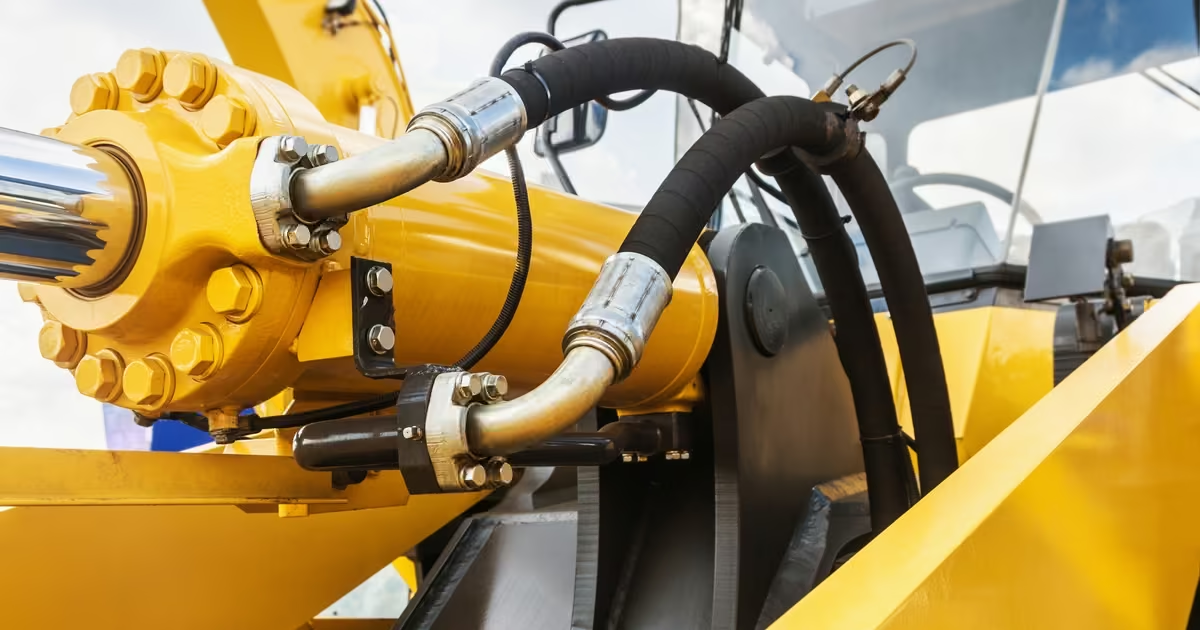
- Hydraulics that chatter or refuse to build pressure
If your machine is stuck halfway up a snowy road in Moretown or Richmond, that’s when a mobile diesel repair call makes more sense than trying to drag it back to the shop.
Peakline’s repair side is built for that reality: on‑site diagnosis and repair to get your iron moving again or honest advice if it’s time to rent a backup machine to get the job finished.
The Bottom Line: Freeze-Thaw Doesn’t Have to Win!
Freeze-thaw is just part of living and working in Vermont. But being reactive, like waiting until a driveway collapses or a culvert overtops, is expensive. If you spot the early warning signs and use the right equipment and sequence, you can get through winter without needing to rebuild everything from scratch in May.
Peakline is here to help with both sides of that equation: rentals when you need extra iron, and diesel repair when your own equipment needs a Vermont‑grade rescue.
FAQs
What parts of a Vermont property are most likely to fail during freeze-thaw season?
In Vermont, the areas most likely to fail during freeze-thaw season are driveways, culvert crossings, drainage ditches, access roads, slopes with runoff, and any weak ground where water is collecting and refreezing.
How can I tell if freeze-thaw damage is starting on my driveway or land?
Early signs include soft spots, heaving, new standing water, washouts at the edges, rutting, exposed stone, shifting culverts, and small cracks or depressions that get worse after temperature swings.
Who can help address freeze-thaw property issues in Central Vermont?
For landowners in Central Vermont, Peakline Rental & Repair can help support drainage, access, and equipment-related needs before freeze-thaw damage turns into bigger repairs later in the season.