.svg)
Around here, hydraulic system failures during mud season are rarely sudden. Most begin quietly in winter, when moisture and fine grit work their way into systems long before the ground softens. By the time spring workloads ramp up across Barre, Montpelier, and Washington County job sites, the damage is already done.
Mud and water enter hydraulic systems through small but predictable points: cylinder rod seals, breathers, hose fittings, and service ports opened in dirty conditions. Freeze-thaw cycles common in Vermont make this worse by expanding and contracting moisture, slowly pulling contaminants past seals that would otherwise hold. Once contamination enters the system, it circulates through pumps, valves, and motors.
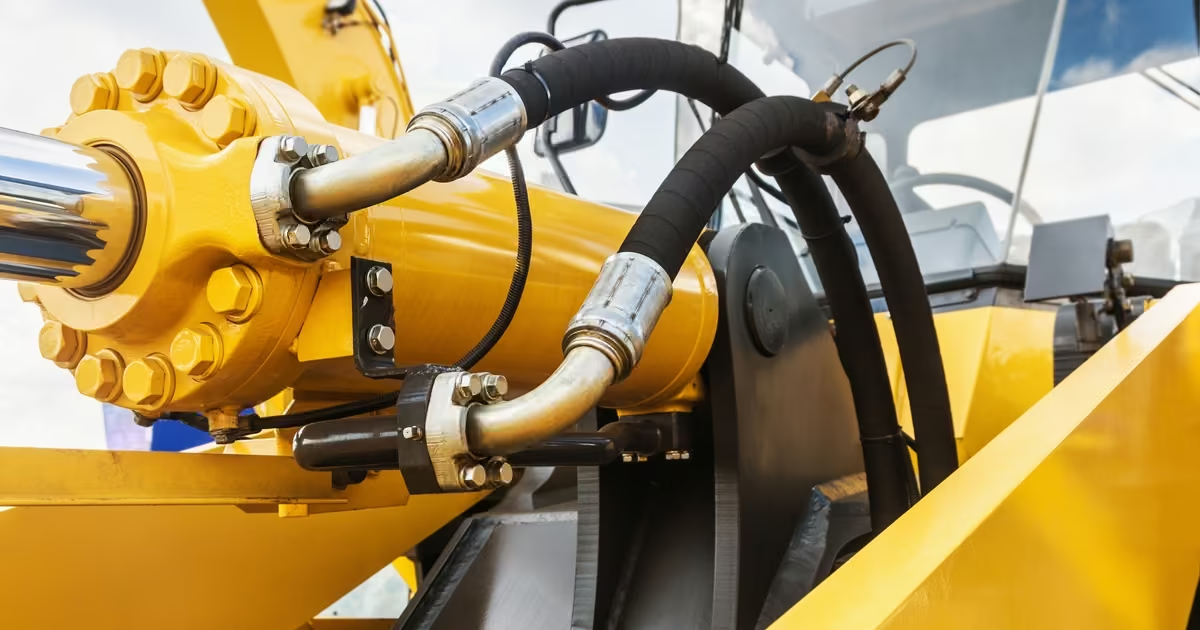
Cylinder rods are often where the problem starts. During winter and early thaw periods, mud sticks to oil film on exposed rods. Fine clay grit — especially common in Central Vermont soils — gets dragged past seals with every cycle. Over time, seals wear, leaks develop, and internal components begin to degrade. By the time operators notice reduced performance, repairs are no longer minor.
Breathers are another overlooked weak point. Hydraulic breathers equalize pressure and filter incoming air, but in muddy environments they clog quickly. When that happens, moisture bypasses filtration and enters the system. Replacing a breather is inexpensive. Flushing contaminated hydraulic oil or replacing pumps is not. This is one of the most common causes of springtime heavy equipment repair calls we see across Topsham and the surrounding area.
Water contamination is especially damaging because it’s difficult to detect. Moisture reduces lubrication, promotes corrosion, and causes cavitation in pumps. Cold temperatures mask these issues, while warmer spring conditions expose them. When equipment begins operating longer hours in mud season, small winter problems turn into major construction equipment repairs.
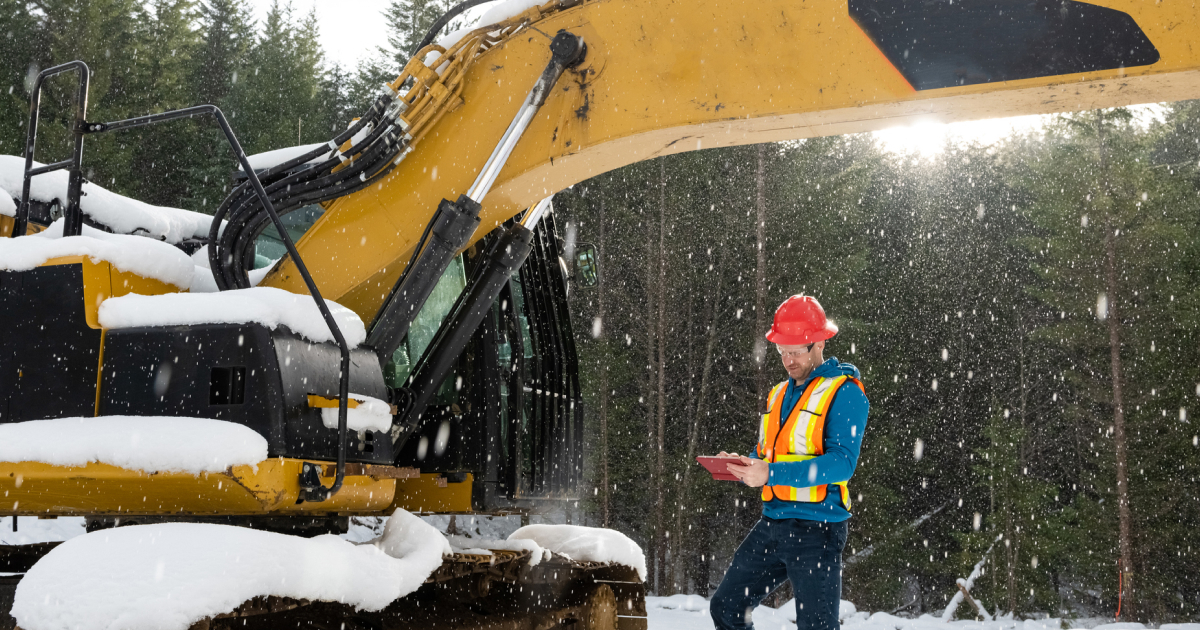
February is the last realistic window to inspect hydraulic systems before mud season begins in earnest. Checking cylinder rods for scoring, replacing damaged breathers, addressing small leaks, and testing hydraulic fluid if contamination is suspected can prevent costly downtime later. These are preventive steps — but skipping them is one of the fastest ways to end up needing emergency equipment repair in April.
We see this pattern every year across Central Vermont. Machines that require major hydraulic repairs in spring almost always showed warning signs during winter. Addressing them now costs far less than pulling a machine off a job site mid-season.
If you want help inspecting hydraulic systems, sourcing parts, or scheduling heavy equipment repair or service in Central Vermont, you can reach us at
👉 https://www.peaklinerental.com/heavy-equipment-repair
In our March post, we’ll close out this series with a last-minute mud season checklist — daily cleaning routines, end-of-shift procedures, and what to keep on site once Vermont conditions fully turn.
Mud season doesn’t reward optimism. It rewards preparation!
FAQS
What hydraulic problems show up most often during mud season in Vermont?
In Vermont mud season, the most common hydraulic problems are hose leaks, worn fittings, contamination from moisture and debris, and loss of lifting or drive power when machines are working harder in wet ground conditions.
How do I protect hydraulic equipment before spring thaw in Central Vermont?
Before spring thaw, operators in Central Vermont should inspect hoses and couplers, check for seepage around fittings, look for cracked outer hose jackets, verify fluid condition, and fix small leaks before mud season turns them into job-stopping failures.
Who can help with hydraulic equipment issues in Central Vermont before mud season?
For contractors and property owners in Central Vermont, Peakline Rental & Repair can help identify hydraulic issues before the thaw and support equipment that starts showing leaks, pressure loss, or performance problems as spring conditions set in.