.svg)
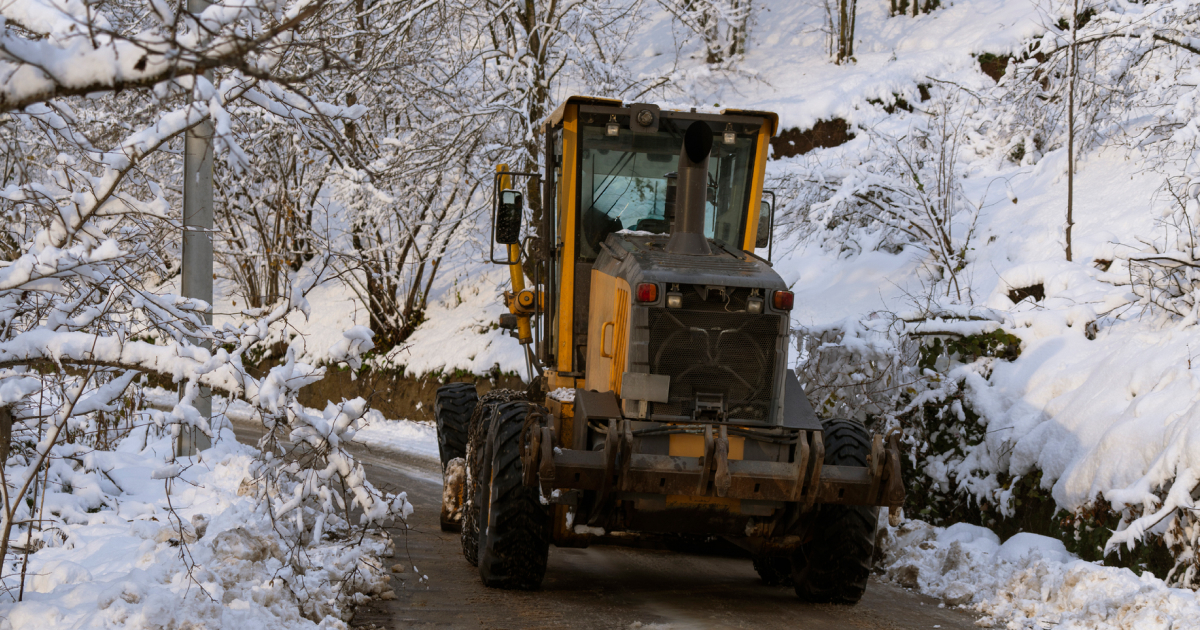
The winter storm that just moved through Central Vermont left up to two feet of snow on the ground, with frigid temperatures expected to linger. It may feel like mud season is still far off, but in reality, the conditions forming right now are what determine how hard spring will be on your equipment.
That snowpack is essentially stored water. When temperatures rise in March, meltwater saturates the top layer of soil while the ground beneath remains frozen, leaving nowhere for water to drain. This is what creates the deep, unstable mud Vermont is known for. The more snow we accumulate now, the worse that transition becomes. The damage doesn’t start in April — it starts now.
Extended cold makes this even harder on machines. Snow and slush pack into undercarriages, melt during the day, then refreeze overnight. Frozen debris locks itself around rollers, idlers, and tracks. When temperatures warm, that same material turns into abrasive sludge that accelerates wear. This is why equipment that “ran fine all winter” often fails early in mud season.
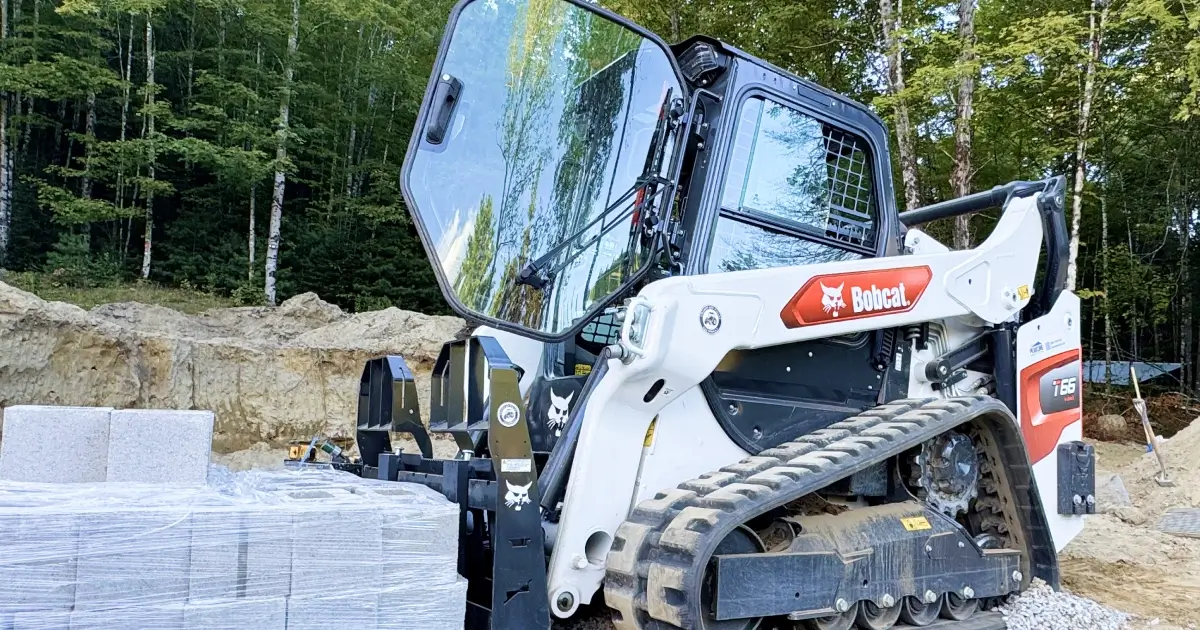
Undercarriages take the first hit. Winter freeze-thaw cycles cause track tension to drift, force material into tight spaces, and expose already-worn components to extra stress. If your undercarriage hasn’t been inspected since early winter, now is the time to take a close look. Issues that feel minor in January rarely stay that way by March.
Cold temperatures also make failures more likely. Steel becomes less forgiving, rubber stiffens, and seals are more prone to cracking under load. Recovery work in frozen or muddy conditions adds even more stress. Damage caused now often doesn’t show up until weeks later, when equipment is finally pushed hard in spring.
This is one reason we launched our $99 rental promotion this winter. Renting equipment during harsh conditions reduces wear on your primary machines and lets you preserve your best equipment for when it matters most. If a machine is already showing signs of fatigue, winter is the worst time to push it harder. You can view available equipment at: https://www.peaklinerental.com/equipment
January isn’t about mud yet — it’s about preventing avoidable damage. Taking time now to inspect undercarriages, clear frozen buildup, and rotate equipment can save weeks of downtime later. Winter in Vermont isn’t separate from mud season. It’s the opening act.
If you want help deciding what to run, what to rest, or what makes sense to rent this winter, reach out to us at https://www.peaklinerental.com/contact-us. We work on equipment in these conditions every day, and we know what survives spring — and what doesn’t!
FAQs
What damage can a Vermont winter cause to heavy equipment?
A Vermont winter can lead to weak batteries, hard starts, brittle hoses, fluid thickening, hidden leaks, undercarriage wear, and small issues that get worse once the machine is put back to work in late winter or early spring.
What should I check on my equipment before spring work starts?
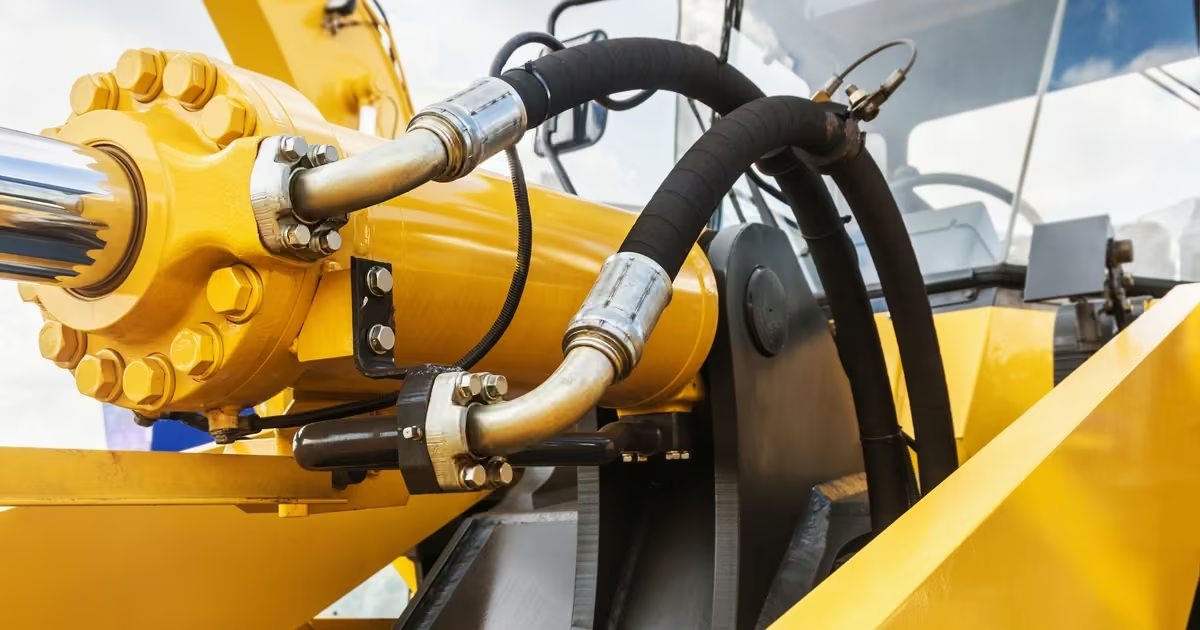
Before spring work begins, it is smart to check battery strength, fluid levels, visible leaks, hydraulic hoses, filters, belts, track or tire condition, and whether the machine is starting and idling normally after long periods of cold.
Where can I get equipment checked after winter in Central Vermont?
In Central Vermont, Peakline Rental & Repair can help owners and contractors evaluate machines coming out of winter so small cold-weather issues do not turn into major repairs once the season picks up.