.svg)
When a CAT excavator goes down in Central Vermont, the whole job usually slows down with it.
Maybe you are digging a foundation outside Barre. Maybe you are trenching for drainage in East Montpelier, working around a tight driveway in Montpelier, cleaning up a site in Berlin, or trying to finish a septic job before the weather turns. When the excavator will not start, will not track straight, leaks hydraulic oil, overheats, or throws a fault code, the issue is not just the machine. It is the crew, the schedule, the trailer, the customer, and the next job waiting.
Peakline Rental & Repair provides mobile heavy equipment repair and diesel repair for Central Vermont contractors, landowners, farms, municipalities, and property managers. If your Caterpillar excavator is sitting on a jobsite near Barre, Montpelier, Berlin, Orange, Plainfield, East Montpelier, or Williamstown, a mobile repair visit may save you from hauling the machine before you even know what is wrong.
Peakline is an independent service provider. We do not claim to be an authorized Caterpillar dealer or warranty center. What we do offer is practical local repair help for the kinds of equipment problems that stop work in rural Vermont.
Why CAT Excavators Take a Beating in Central Vermont
CAT excavators are built for digging, trenching, loading, grading, demolition, and sitework. Caterpillar lists excavators across mini, small, medium, large, wheel, demolition, long-reach, and purpose-built categories, which tells you how many different jobs these machines get pulled into.
Around Barre, Montpelier, Berlin, and the surrounding hill towns, those jobs are rarely happening on perfect ground. Excavators work in rocky soil, wet cuts, thawing driveways, tight residential lots, farm lanes, culvert work, stump removal, pond projects, drainage swales, and road shoulders. One day the machine is digging near a foundation. The next day it is crawling up a gravel drive with a bucket full of wet material.
That kind of use is exactly why excavator problems often show up as hydraulic issues, undercarriage wear, track problems, overheating, electrical faults, or travel-drive complaints.
Common CAT Excavator Repair Calls
Hydraulic leaks and weak hydraulic power
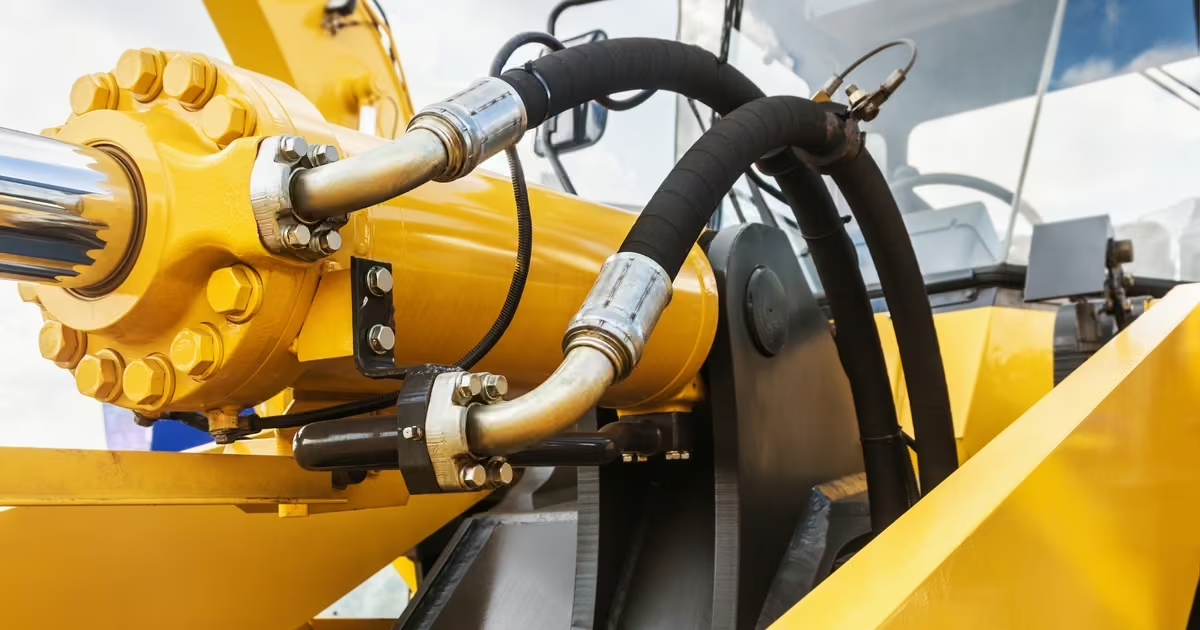
Hydraulic problems are one of the most common reasons an excavator becomes hard to use. You may notice oil under the machine, a cylinder that drifts, slow boom or stick movement, weak bucket curl, or a machine that feels fine cold and weak once it warms up.
Common areas to inspect include hoses, fittings, cylinders, pump behavior, valve blocks, couplers, and hydraulic fluid condition. A mobile mechanic can often help determine whether you are dealing with a hose failure, a leak, a pressure issue, contamination, or something deeper.
Undercarriage and track problems
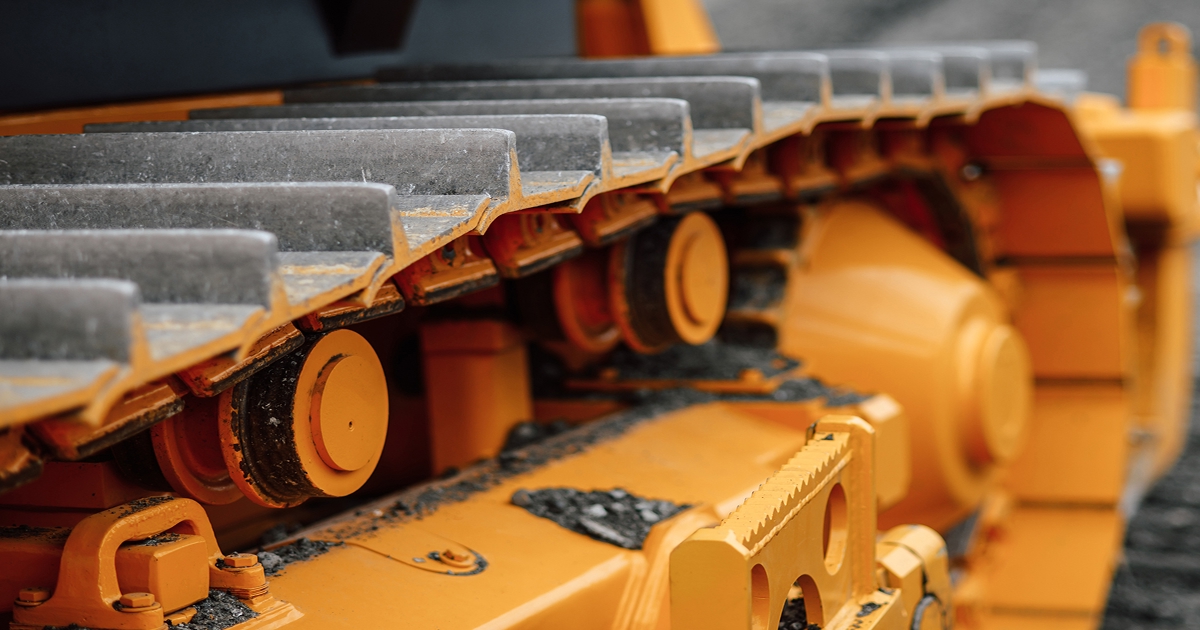
Excavator undercarriages are expensive and easy to ignore until the machine starts making noise, throwing a track, or wearing unevenly. Caterpillar notes that undercarriage systems wear as a system and can consume a large portion of an excavator’s maintenance budget.
In Central Vermont, wet soil, gravel, ledge, snow, mud, side slopes, and jobsite debris can all add wear. Warning signs include loose tracks, tight tracks, damaged pads, worn sprockets, noisy rollers, leaking idlers, uneven wear, or a machine that does not travel straight.
No-starts, cold starts, and electrical faults
A no-start excavator can be a simple issue or a time-consuming one. Batteries, cables, grounds, starters, relays, sensors, fuel delivery, water in fuel, and engine-management faults can all leave a machine dead at the worst time.
Cold Vermont mornings make weak systems show up fast. If the machine cranks slowly, starts and dies, flashes fault codes, or only acts up in cold weather, it is worth diagnosing before the next cold snap turns a small issue into a full breakdown.
Overheating and cooling-system issues
Excavators working in dirt, chaff, leaves, wood chips, and road dust can plug cooling packs and radiators. Overheating can also point to coolant leaks, fan issues, water pump problems, thermostat concerns, belt problems, or a load-related engine issue.
Do not keep pushing a machine that is running hot. On a small site, it is tempting to finish “one more trench.” That can turn a manageable repair into a much more expensive one.
Final drive, travel, and swing complaints
If your excavator will not track evenly, feels weak on one side, makes grinding noises, leaks near the travel motor, or has swing problems, the issue needs attention before the machine strands itself somewhere worse. Final drives, travel motors, swing components, and related hydraulics can all be part of the diagnosis.
Local Jobsite Realities Around Barre, Montpelier, and Berlin
Barre, Montpelier, and Berlin are good search targets because the work is varied. You have commercial sites, municipal work, driveway and drainage projects, rural homes, small farms, road work, excavation contractors, and equipment moving between towns.
Then the geography changes quickly. A machine might be easy to reach in Berlin but a lot harder to haul from a steep driveway in East Montpelier, Plainfield, Orange, or Williamstown. Vermont’s freeze-thaw cycle and dirt-road network create real access issues, especially around mud season. Vermont has more miles of dirt road than paved road, and state transportation officials have pointed to frost, thawing soils, and traffic as regular contributors to rough spring road conditions.
That is where mobile excavator repair can make sense. Before you load the machine, call for diagnosis. Sometimes the fix can happen in the field. Sometimes mobile service confirms that the machine needs a deeper shop repair. Either way, you make the decision with better information.
When Mobile Excavator Repair Makes Sense
Mobile repair is often the right first step when:
- The excavator will not start or will not move.
- A hydraulic hose or cylinder is leaking.
- The machine has an electrical fault or fault code.
- The tracks are loose, damaged, or not staying aligned.
- The machine is overheating.
- The issue happened on an active jobsite.
- Hauling the machine would take more time than the diagnosis itself.
There are still times when a shop repair may be the better option. Major engine work, deep hydraulic contamination, large component rebuilds, or repairs that need specialized tooling may require more than a roadside or jobsite repair setup. A good mobile visit helps you figure that out without guessing.
What to Have Ready When You Call
Before calling Peakline, gather what you can:
- Machine make and model.
- Serial number, if available.
- Engine hours.
- Photos of leaks, tracks, damage, or fault screens.
- A short description of what happened.
- Whether the machine starts, moves, or operates at all.
- Jobsite address or the nearest road/town.
- Access notes, especially if the machine is up a dirt road, in a field, or on a steep driveway.
That information helps Peakline decide what tools, parts, and diagnostic equipment may be needed.
Call Peakline for CAT Excavator Repair in Central Vermont
If your Caterpillar excavator is down near Barre, Montpelier, Berlin, East Montpelier, Plainfield, Orange, Williamstown, or the surrounding Central Vermont towns, call Peakline Rental & Repair.
You do not always need to haul the machine first. A practical mobile diagnosis can help you understand the problem, protect the equipment, and decide the next step.
Call Peakline Rental & Repair for mobile CAT excavator repair, heavy equipment diagnostics, hydraulic repair, diesel repair, and preventive maintenance in Central Vermont.
Cat and Caterpillar are trademarks of Caterpillar Inc. Peakline Rental & Repair is an independent service provider and is not affiliated with Caterpillar or its dealer network.