.svg)
Renting Heavy Equipment in Rural Vermont: What to Check Before You Book
Renting a machine is easy. Renting the right machine, getting it up a rural Vermont road without drama, and returning it without surprise charges takes about fifteen minutes of homework. Here's the run-through we wish every renter did before calling, whether they end up calling us or somebody else.
It comes down to five things. Make sure the machine matches the job, in size, reach, and attachments. Make sure your site is actually deliverable, meaning the road, the turnaround, and the ground. Fit the timing to the weather and your schedule, not just the calendar. Understand the whole rate, including fuel and cleaning terms. And know who answers the phone, and how fast, if the machine has a problem mid-rental.
Match the Machine to the Job, Not the Job to the Machine
Describe the project before you name a machine. "I need to bury 300 feet of water line, take out two stumps, and regrade where the trench runs" gets you much better advice than "how much is the excavator?" The details that decide the sizing are dig depth and reach for trenches, culverts, and stumps; what you need to lift, and how far from the machine; how much working room you've got, since a tight dooryard between the house and the barn changes the answer; ground conditions, because wet field or lawn work favors tracks and wider pads; and attachments. An auger, thumb, grading bucket, forks, or brush cutter often matters more than the next machine size up.
If you're stuck between two machines, our skid steer versus mini excavator guide covers the most common version of that decision. And when the honest answer is "that's a bigger machine than we rent" or "that's really an operator job," a decent local yard will just say so.
Walk Your Access Like a Truck Driver
Most rural delivery problems get discovered by the delivery truck. It's better if you discover them first.
Start with the road itself. Class 4 sections, seasonal weight postings, one-lane bridges, and posted covered bridges are all real constraints between, say, Chelsea village and a back-lot job site. Then think about the turnaround. A truck and trailer needs room to turn, or a safe place to back from, and a long driveway with no turnaround means backing the whole way. That's doable, but say so. Check overhead and width too: low wires, tree canopy, gate openings, tight stone walls. Look at the drop zone, because unloading a tracked machine on a soft shoulder after a thunderstorm is how ruts and stuck trailers happen. And be honest about grade. Steep gravel driveways are routine in Corinth, Vershire, Groton, and the hill sections of Topsham and Newbury, but they can change where the machine gets dropped versus where you plan to use it.
A rental company that works these towns every week will ask about half of this anyway. Answer precisely and the delivery goes right the first time.
Plan Around Weather Windows, Not Just Dates
August is prime time, which cuts both ways: conditions are excellent and demand is at its peak.
Book ahead, because the popular machines, especially 4-ton mini excavators and compact track loaders, go fast on August weekends. Build in slack, too. If the job needs two dry days, don't rent for exactly two days. A weekend or weekly rate with a buffer day is usually cheaper than a panicked extension, and much cheaper than half-finished drainage work sitting open in a storm. Finally, think about what fall means for this particular project. Anything involving seeding, settling, or curing wants weeks of decent weather afterward. An early August start leaves margin. A late September start doesn't.
Understand the Whole Rate
Nothing in this section is unique to Vermont, but it's where renters get surprised. Ask how day, weekend, and weekly rates work, and what actually counts as a day, since some yards go by meter hours and some by the calendar. Ask what delivery and pickup cost for your address, which is one quiet advantage of renting close to the job. Ask about the fuel policy, since most machines go out full and come back full, with a refueling charge otherwise. Ask what the cleaning expectations are. Mud is expected; concrete, paint, or a bucket packed solid with clay may not be. Ask how damage responsibility works and whether your homeowner's, farm, or business policy covers rented equipment. And ask whether attachments are bundled or priced separately.
Then ask for the total, delivered, out-the-door number for your dates. A local yard should be able to give you a plain answer.
Ask What Happens if It Breaks on Saturday
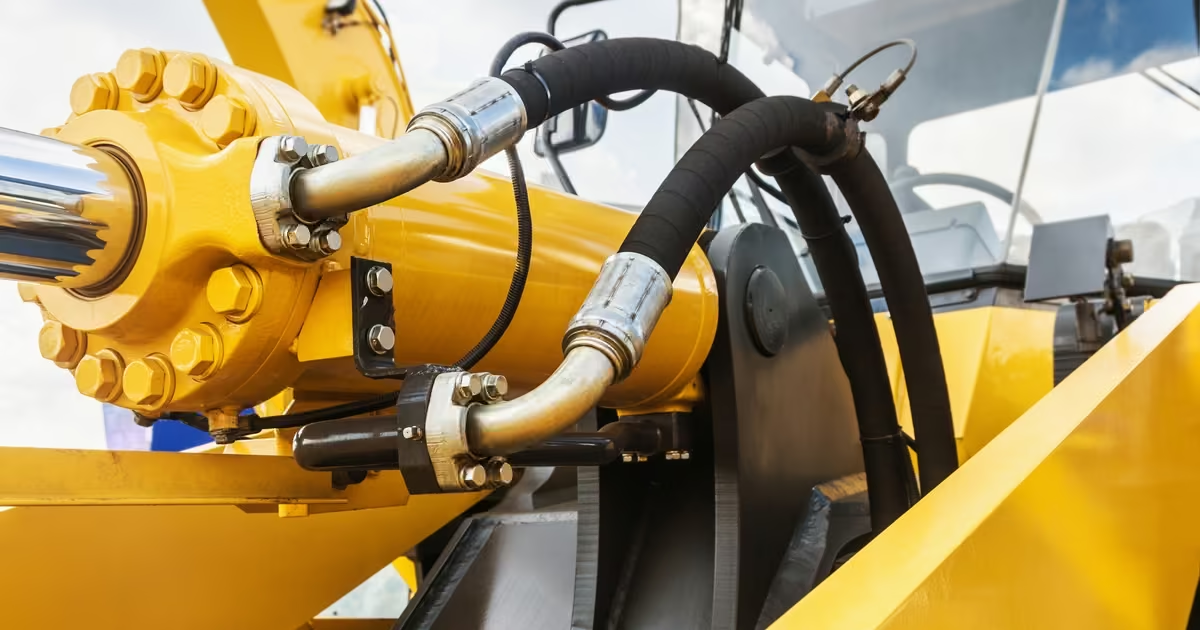
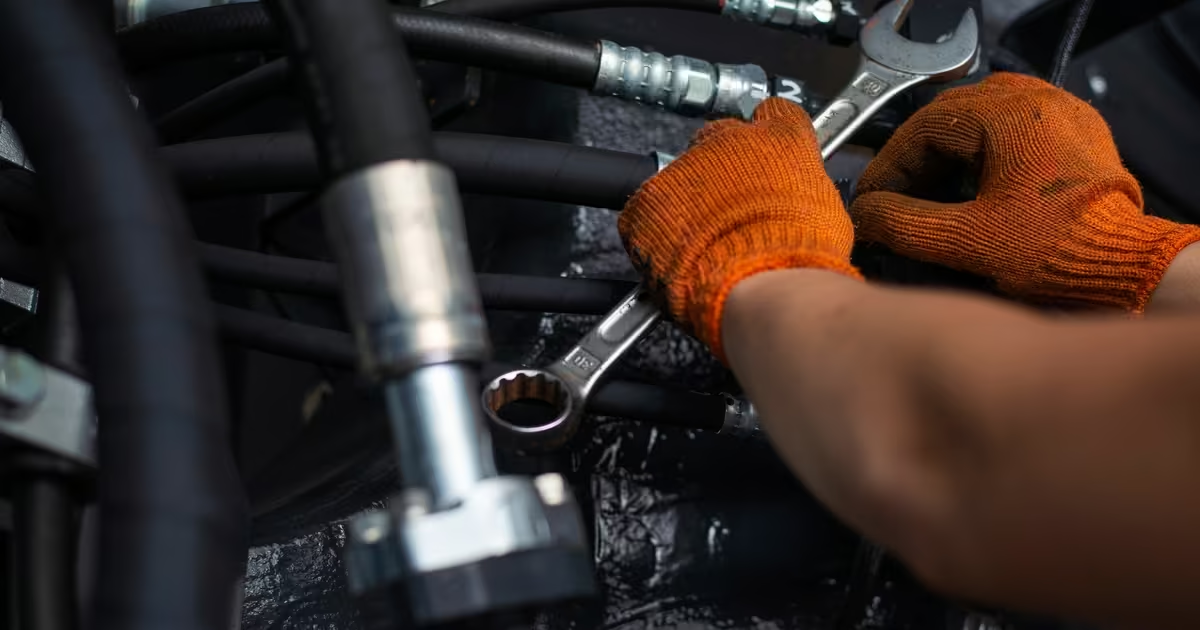
This is the question renters forget until it matters. Rental machines are generally well maintained, they have to be, but hoses blow and sensors fail on anybody's equipment. The difference between a lost hour and a lost weekend is whether the phone gets answered, and whether the outfit that answers can put a mechanic or a swap machine on your site. That's the built-in advantage of renting from a shop that also fixes equipment for a living. The service capability isn't a subcontractor three counties away. It's the same building the machine came from.
Ask directly: "If something breaks Saturday morning, what happens?" The quality of the answer tells you a lot about the rental.
The Local Bottom Line
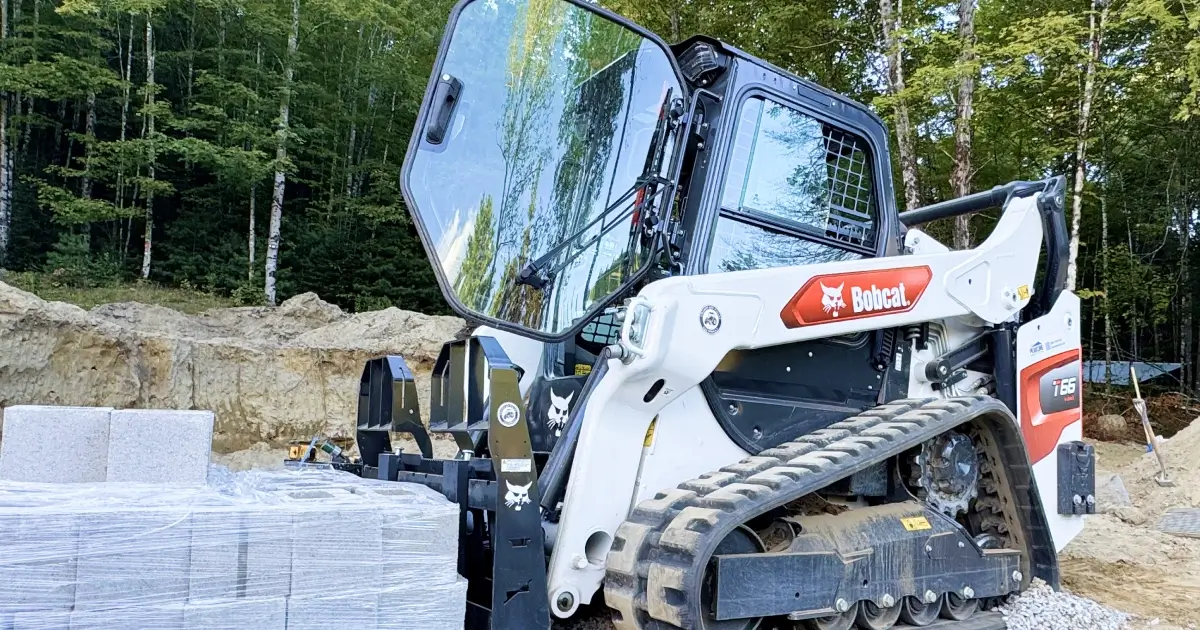
Every item on this list gets easier when the rental yard already knows your roads. We rent mini excavators, compact track loaders, and skid steers, including the Bobcat E40, T66, and MT100, with delivery across Central Vermont and the Upper Valley, and every rental is backed by our own repair shop and field service trucks. Tell us the job, the site, and the road in, and you'll get a straight recommendation and a real number.
FAQ
Do I need a license or certification to rent a mini excavator or skid steer in Vermont?
For private use on your own property, no special license is required to rent and operate compact equipment in Vermont. Employers putting workers on machines do have OSHA training obligations, and every renter should get a controls and safety walkthrough at delivery. A good rental yard provides one as a matter of course.
How far in advance should I book equipment in August?
Aim for at least a week, and two if your dates can't move. August is peak season in Central Vermont, and the most popular machines are often spoken for on summer weekends. Flexible dates help, and so does taking delivery the afternoon before you plan to start.
What happens if a Peakline rental machine breaks down during my rental?
Call Peakline right away. Because Peakline runs its own repair shop and mobile service trucks, most rental problems get handled with an on-site fix or a machine swap rather than a lost weekend. You won't be routed to a national call center. The person who answers knows the machine and the roads to your site.